

For the past two to three months, I’ve been testing the most exciting outdoor air quality monitor I’ve encountered yet – the AirGradient Open Air Max. This is essentially a significantly improved version of the more affordable Open Air monitor, featuring a range of additional features. As a result, the Max is both more accurate and vastly more flexible. While I discuss what exactly I mean soon, it’s fair to say that the improved flexibility is what interested me the most.
To be fully transparent, I now work with AirGradient – you may have even spoken to me if you’ve reached out through AirGradient’s support channels! I want to acknowledge this upfront and ask that you please keep it in mind while reading this article. Both my AirGradient ONE and original Open Air reviews predate my work with the company; I was so impressed by AirGradient’s emphasis on transparency during my research for those articles that I decided to join them to help make a greater impact.
While I strive for objectivity (and this is supported at AirGradient – in fact, I’ve been encouraged to speak publicly about the product’s flaws too), I don’t believe it’s appropriate for me to “review” this product in my usual style, given my role. Instead, this article will provide an overview of its features and share some of my unique insights, which are a culmination of my experiences both inside and outside the company, as well as my experience with the currently unreleased device. Therefore, this is not a review, and I strongly recommend checking out other independent blogs, videos, and content for a more thorough assessment.
With that mentioned, the release of the AirGradient Open Air Max has genuinely excited me since I first learnt about the development of the device. While I’ve tested numerous outdoor air quality monitors, including the original Open Air, the PurpleAir Zen, and the VisiblAir Model X, the Open Air Max excites me because it’s an entirely different monitor from those. In fact, it’s more comparable to ‘professional’ outdoor air quality monitors targeted at organisations, academics, and universities – monitors that often cost in the thousands of dollars.
So, without further ado, I would like to introduce my in-depth look at the new AirGradient Open Air Max. If you have any thoughts, comments, or questions remaining after reading through this article, I would love to hear from you in the comments below. I do my best to reply to all comments, and I welcome everybody to participate. Let’s dive in!
This post contains affiliate links. For more information, please refer to my affiliate disclaimer.
Informational Disclaimer: Information on this blog is for informational purposes only. Readers are encouraged to confirm the information herein with other sources. This website assumes no responsibility for the accuracy of the information, which is subject to change without notice.
If you notice any errors or inconsistencies in this article, please contact me so I can update the information accordingly.
What Makes the Open Air Max Different?
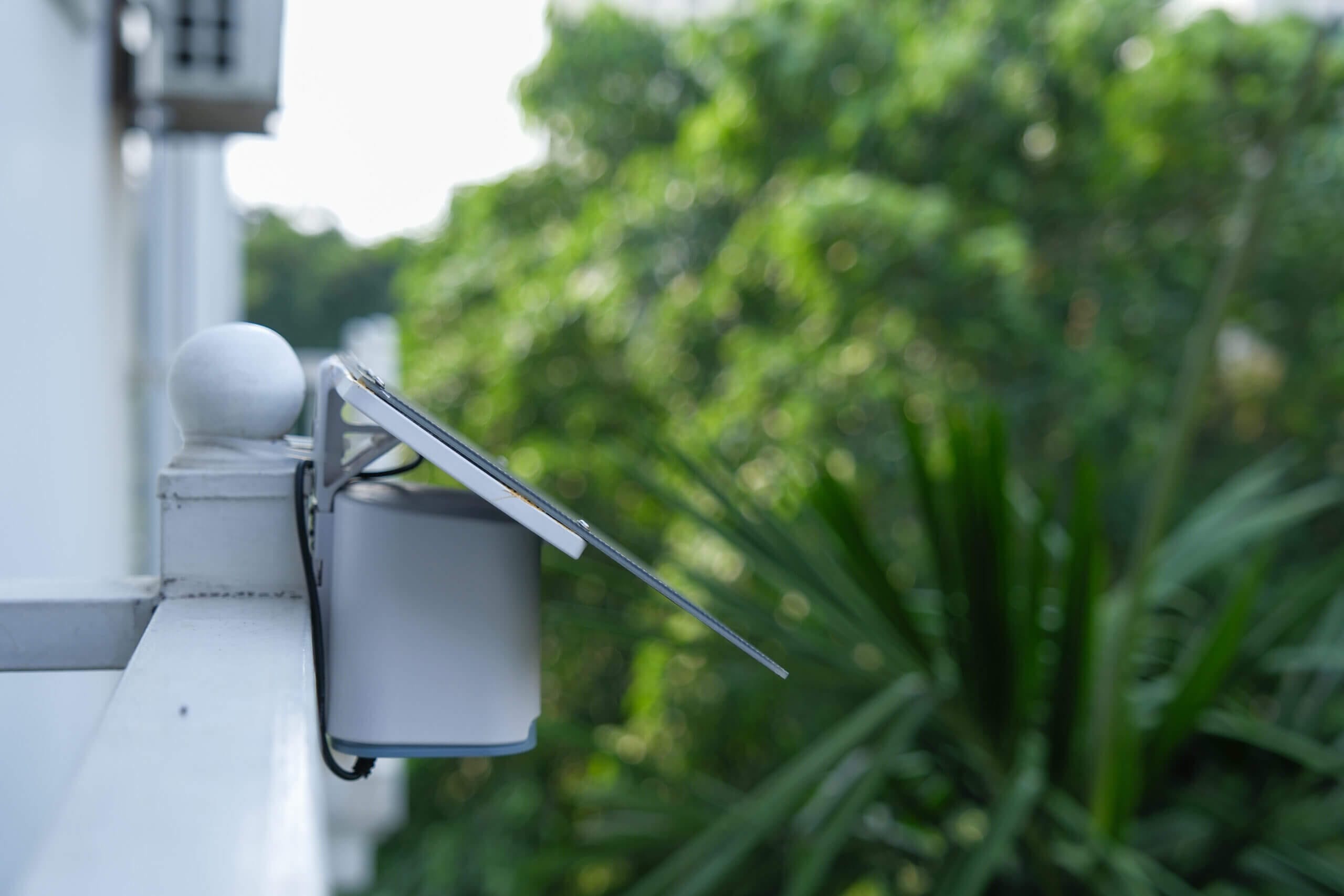
The first question we need to ask is what exactly is the difference between the Open Air and the Open Air Max? At first glance, the price difference is quite significant ($190 vs $490), and it may seem challenging to justify this price increase. While it may not be for everyone, there are several notable differences. Let’s list them:
- Larger case with room for more modules (where the Open Air features 2x module slots, the Open Air Max has 4x).
- Included solar panel (10 watts) and mounting bracket
- Cellular connectivity with an included SIM card (which will last at least five years before needing to be topped up/replaced).
- Second PM sensor for redundancy (similar to the older O-1PPT Open Air model)
- Sensirion SHT40 module for temperature and relative humidity (this is the same sensor used in the AirGradient ONE)
There is also a $990 version of the Open Air Max that includes Alphasense electrochemical NO2 and O3 sensors; however, due to the price, this is definitely less consumer-focused and is aimed more towards the professional market. If you are interested in that model, I recently wrote an article alongside the AirGradient science team, which delves into the details of NO2 and O3 accuracy.
As you can see, there are several updates, some of which are significant. The combination of solar panel and cellular connectivity makes this monitor vastly more flexible than the original Open Air, which relied on WiFi and a USB cable for power. Without these limitations, the Open Air Max can be deployed almost anywhere, and it also tends to be a bit more reliable than the Open Air. With that said, there is a new Open Air model which supports cellular for around $350, but this still lacks the solar panel and other benefits of the Max.
Alongside these usability improvements, there are also two sensor changes – one of which I would classify as minor, and one which is quite significant. The first of these is the addition of a second Plantower PMS5003 sensor (the Plantower PMS5003T sensor is no longer needed for reasons I will address shortly) for redundancy. While this generally won’t affect accuracy, it can help you more easily identify a faulty PM module and cross-reference readings for added confidence.
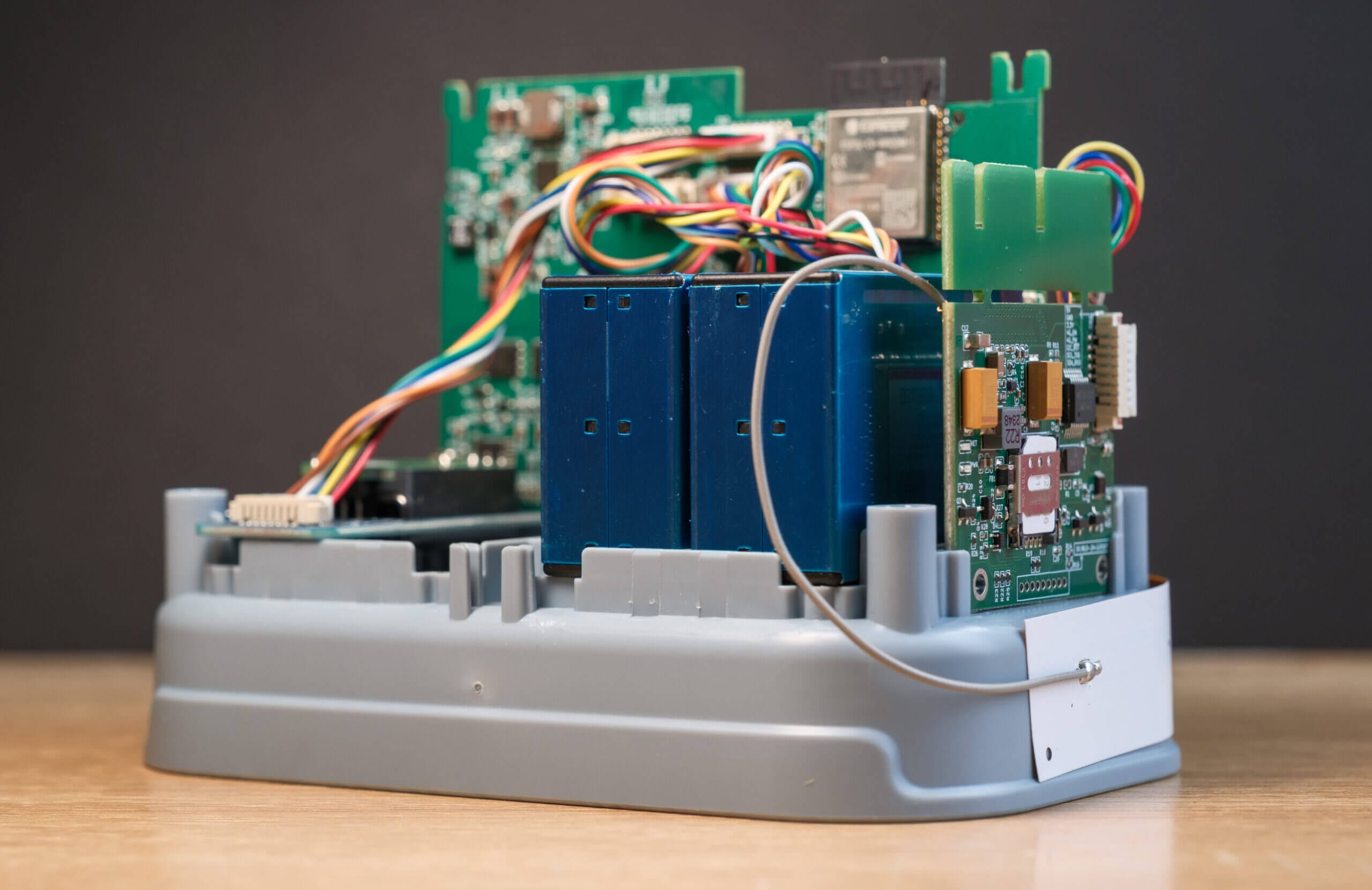
The Open Air Max features two PM modules alongside a CO2 sensor, whereas the standard Open Air is available in two configurations: either one PM and one CO2 module, or two PM modules.
The second sensor change is the addition of a Sensirion SHT40 temperature and relative humidity module. This module is isolated at the bottom of the device and is far more capable of capturing ambient measurements than the Open Air, which relies on a sensor located inside the PMS5003T module (where ‘T’ represents the temperature and RH sensor). In my opinion, the lack of accuracy for temperature and RH in the Open Air is one of the biggest downsides of the device, and it’s something that correction formulas haven’t been able to address fully.
For that reason, it’s a deceptively large upgrade to move to a dedicated temperature and relative humidity sensor, especially one that is housed in an isolated chamber from the other components, which can generate their own heat. If you’re looking for an air quality monitor that can provide relatively accurate weather data, the Open Air Max is a far better choice than the Open Air.
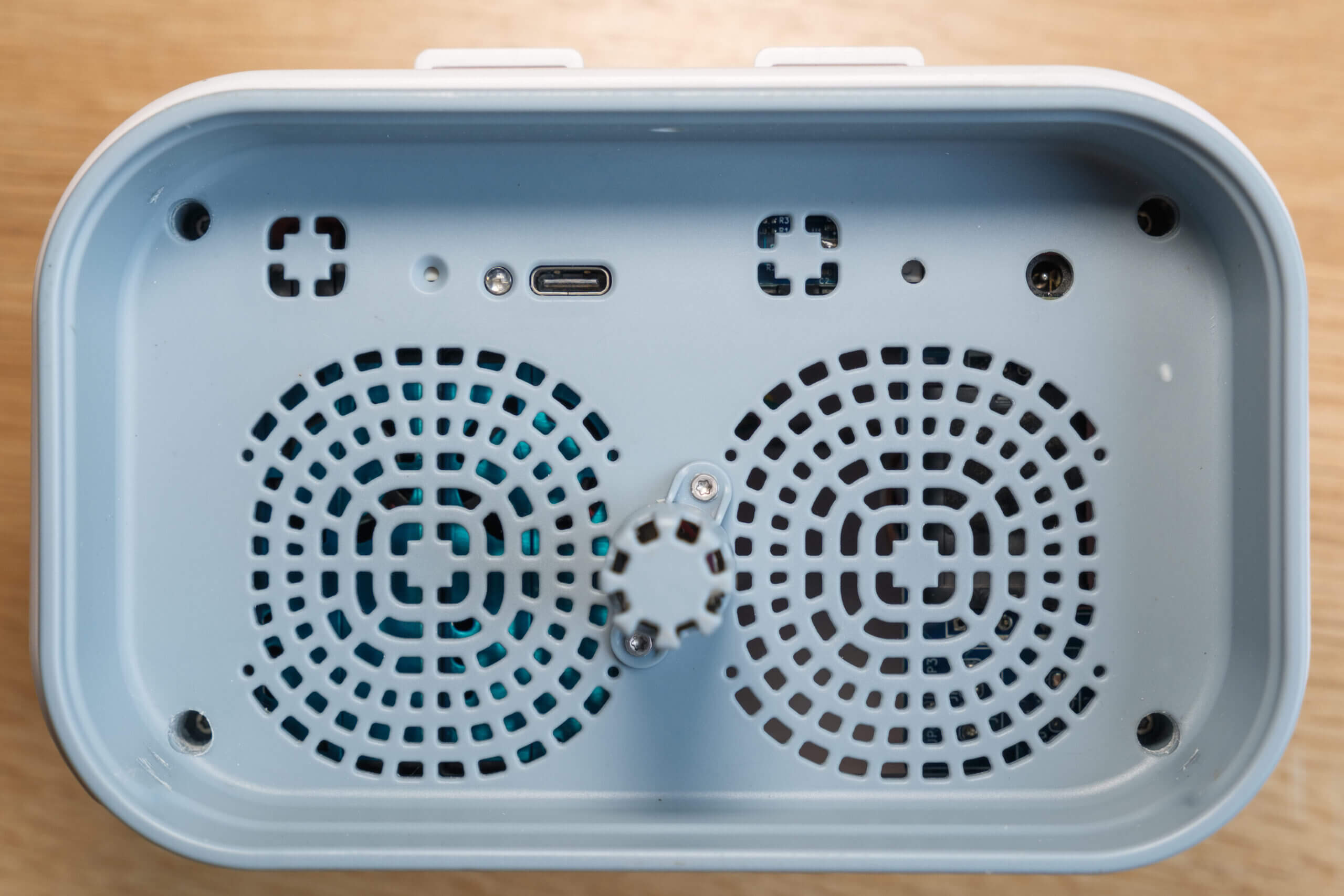
Overall, the Open Air Max features numerous improvements, but it’s also significantly more expensive. I think the people who will get the most out of this monitor are those who can fully utilise the solar and cellular aspects of the device. Personally, I think the Open Air makes more sense in my case, but I find the sensor improvements very tempting, especially with the new SHT40.
However, this does lead us to a key difference between the Open Air and the Open Air Max. Where the Open Air is a consumer-focused monitor (that isn’t to say that it can’t be used for professional or research purposes), the Open Air Max is intended for more professional deployments. With that said, I think the non-NO2/O3 Open Air Max will still appeal to some consumers, which is why I wanted to discuss it in this article.

BreatheSafeAir is a one-person publication. Every share and every subscriber is important to me.
I don’t have a marketing budget or a team behind me. Just a lot of test equipment and a genuine interest in helping you make sense of your air quality. If you find this useful, subscribing to my newsletter is the best free way to support the work. You’ll get information on what I’m currently testing, findings that don’t make it into the full reviews, and the kind of detail you only get from someone who thoroughly tests these devices.
Should I Buy the Open Air or the Open Air Max?
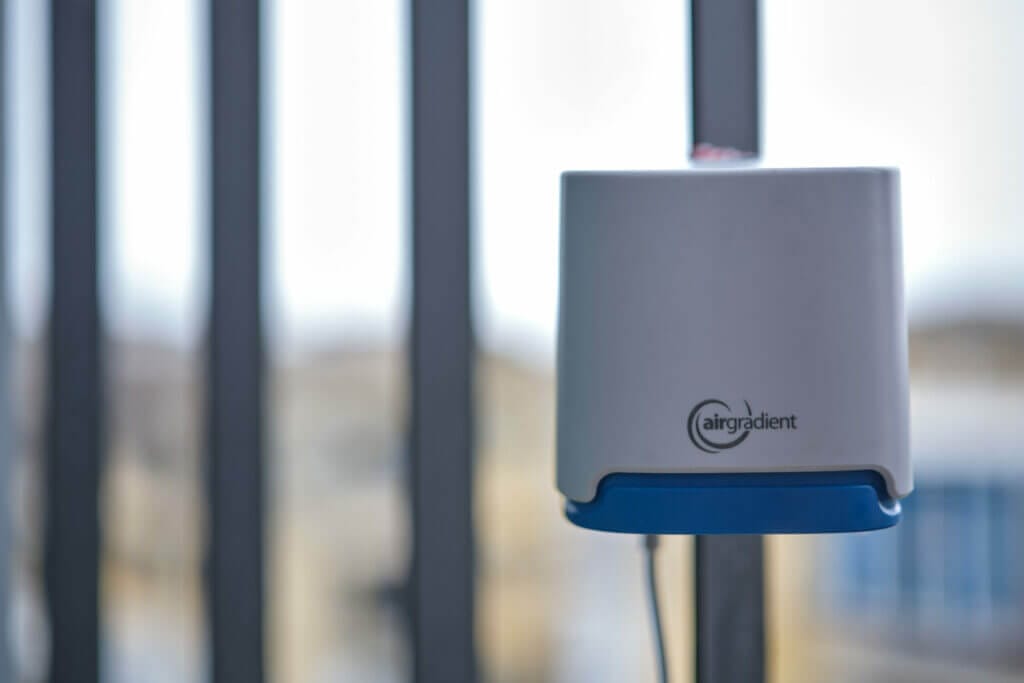
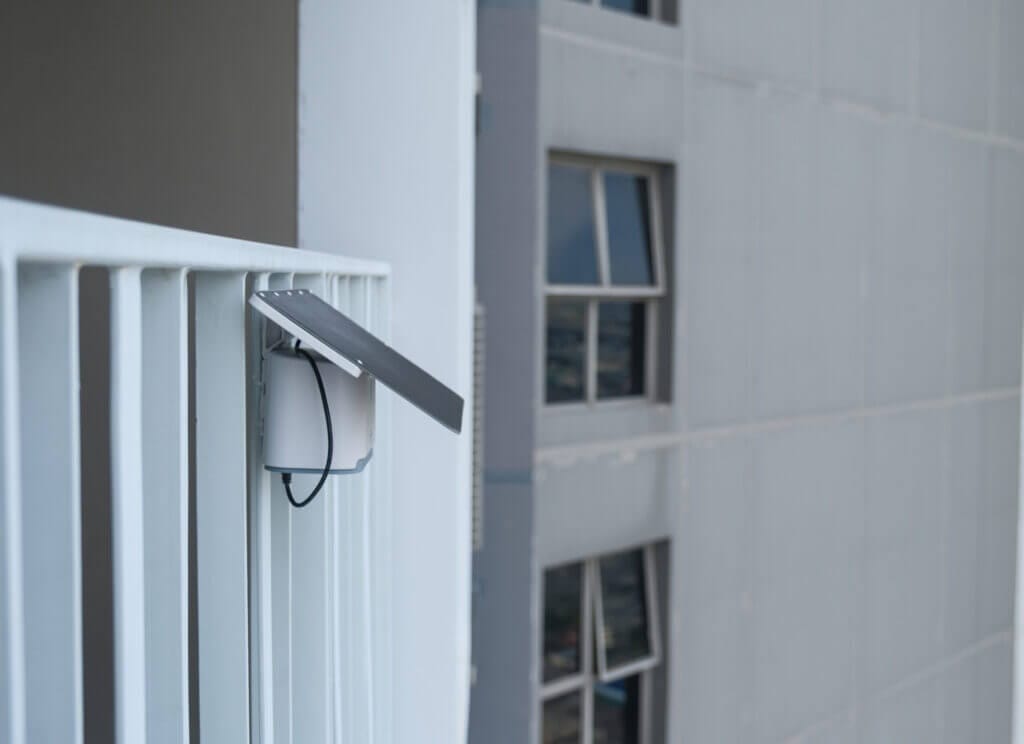
Open Air (left) and Open Air Max (right).
With the addition of the Open Air Max and the Open Air Cellular (which was only released after my previous review of the Open Air), it’s challenging to determine which monitor to purchase. At the lowest price point, you have the standard WiFi Open Air, followed by two significantly more expensive models, which are the Open Air Max variants. In between these two sits the cellular Open Air. With four total choices, what makes the most sense?
| Monitor | Price | Connectivity | Power | Sensors |
|---|---|---|---|---|
| Open Air (O-1PST/O-1PPT) | $190 | WiFi | USB | PM, CO2, VOCs, NOx, Temp/RH (not dedicated) |
| Open Air Cellular (O-1PST-CE) | $350 | Cellular | USB | PM, CO2, VOCs, NOx, Temp/RH (not dedicated) |
| Open Air Max (O-M-1PPST) | $490 | Cellular | USB or Solar | 2x PM, CO2, VOCs, NOx, Temp/RH (dedicated sensor) |
| Open Air Max (O-M-1PPSTON) | $990 | Cellular | USB or Solar | 2x PM, CO2, VOCs, NOx, NO2, O3, Temp/RH (dedicated sensor) |
Firstly, let’s start with the obvious. I think the more expensive Open Air Max is too costly to be considered by most typical consumers, such as myself. While I think the ability to measure NO2 and O3 is fantastic, these extra sensors double the price of the already more costly Open Air Max. In addition to these, the expensive sensors need to be replaced every few years, making the Open Air Max with NO2 and O3 a costly device to maintain (at least for regular consumers). This device is targeted at researchers, organisers, and other groups that require these extra sensors.
At half the price, we have the standard Open Air Max (the model that I’ve been using). This is a far more compelling device for most users, and, despite still being quite costly, I believe it offers a significantly better value proposition. If you’re a bit confused about which to choose between the Open Air and the Open Air Max, keep the points we discussed above in mind. How important are each of these aspects to you?
- Larger case with room for more modules (where the Open Air features 2x module slots, the Open Air Max has 4x).
- Included solar panel (10 watts) and mounting bracket
- Cellular connectivity with an included SIM card (which will last at least five years before needing to be topped up/replaced).
- Second PM sensor for redundancy (similar to the older O-1PPST Open Air model)
- Sensirion SHT40 module for temperature and relative humidity (this is the same sensor used in the AirGradient ONE)
I think there are two main cases for when you might want to consider the Open Air Max:
- You want to run the device independently. The Open Air Max does not need either WiFi or a separate power source, meaning it can be deployed almost anywhere.
- You really care about data accuracy, particularly having much-improved temperature and RH readings, alongside a second PM sensor for redundancy.
Of course, if both of these aspects are very important to you, then the Open Air Max is likely the monitor for you. However, if neither of these justifies the more than double price of the monitor, the Open Air is probably still the best choice for you. To be honest, I also think that the original Open Air is still the best choice for most people, as there are relatively few people who will truly benefit from all of the advantages of this new monitor.
I almost forgot to mention the Open Air Cellular, which is identical to the Open Air except that it supports cellular connectivity. I think this device is a bit more niche, but if you want to deploy a device somewhere that doesn’t have access to WiFi (or you just don’t want to worry about dealing with WiFi networks), this device is a good choice. However, it’s worth noting that it does still need a USB connection for power.
My Experiences
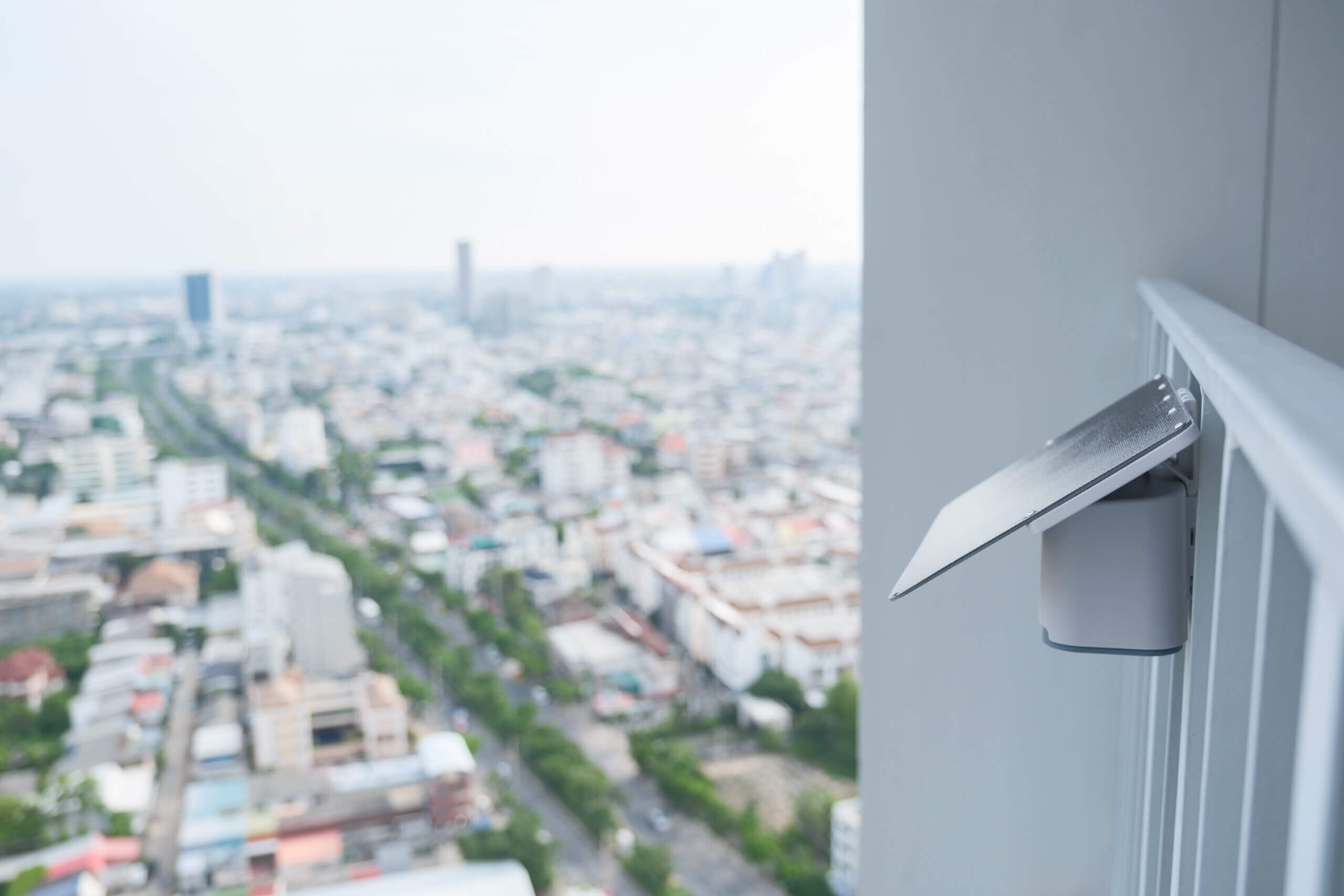
Since I don’t want to ‘review’ the Open Air Max as such, I thought it would be best instead just to discuss my thoughts and experiences with the device. Although I won’t make any recommendations based on these, I felt some readers might find them helpful or interesting to hear about. I’ve been using the Open Air (actually, I’ve five of them) for almost two years now, and I’ve a good understanding of how they work and how the Max compares.
As some of you may (or may not) know, I am a digital nomad. As I write this, I am in Kyrgyzstan, and I have both an Open Air Max and an Open Air with me wherever I travel. While these might seem like quite odd things to keep in my 23kg of belongings that I keep on me, they make sense considering my work. Since I travel a lot, the significant size and weight difference between these two monitors is very obvious. With that said, most people won’t care about this aspect as they are, after all, intended to be static monitors, and my use case is a bit of an odd one.
However, I mention this because the increased size and weight does mean that the Open Air Max is a bit more difficult to mount and I would highly recommend using metal zip ties (or screws) to mount this device when possible. On the other hand, I usually use plastic zip ties for the Open Air, and I’ve found these to work well. The extra size (especially of the solar panel) also means that this device requires a bit more thought when it comes to placement, not just because of weight and support considerations, but also because it requires sunlight to operate.
With that said, I’ve found the Open Air Max also to be vastly more flexible. Since it has both cellular and solar capabilities, there’s no need to consider power or connectivity when placing the device. This allows for a lot more options, and even on my family farm in New Zealand, I was able to mount the device over 100 metres from my home, which I could never have done with the Open Air. Additionally, the cellular model has no onboarding or connection process; you simply plug it in, and it will connect automatically. This means that it is a much more straightforward device to use compared to the original Open Air device.
I was also surprised by just how well the solar panel powered the device. Even with only a few hours of sun per day, the solar panel was able to charge the batteries long enough to keep the device consistently powered. This was especially important in Vietnam, as I was staying in an apartment that had only one balcony, which received only 2-3 hours of sunlight per day. Thankfully, the device has been optimised to conserve power (more on this in the next section, as it does bring some caveats) and can stay online consistently even with relatively little sunlight.
When it comes to the extra sensors, they’re a welcome addition. However, in my case, I don’t think I really benefit from them. While I absolutely love having an extra PM sensor for redundancy (because I enjoy analysing the data from my devices), I’ve never actually seen the sensors deviate much, and I’ve yet to make use of the second sensor. Additionally, I don’t utilise my AirGradient devices (or any outdoor air quality monitor) for temperature or humidity data, so the improvements in this area are largely lost on me. Don’t get me wrong, I think these are significant improvements and I believe many people will benefit from them, but they just don’t make much of a difference for me.
This leads me to the conclusion that I have recently reached: I will continue to use Open Air monitors primarily. While I love the Max and think it’s a good device, the original Open Air makes more sense based on how I use my monitor. While I prefer the ease of use of the Max, the Open Air offers the same accuracy in a much smaller and more affordable package. In my case, I would prefer to purchase two Open Airs over an Open Air Max.
Again, I say this primarily because the solar panel, cellular, temperature/RH improvements, and additional sensors aren’t a significant advantage to me. To many people, they will be, and if you’re in this boat, I think the Max is a big improvement over the Open Air. However, if you’re in the same boat as me, the original Open Air is still a great monitor.
Final Considerations
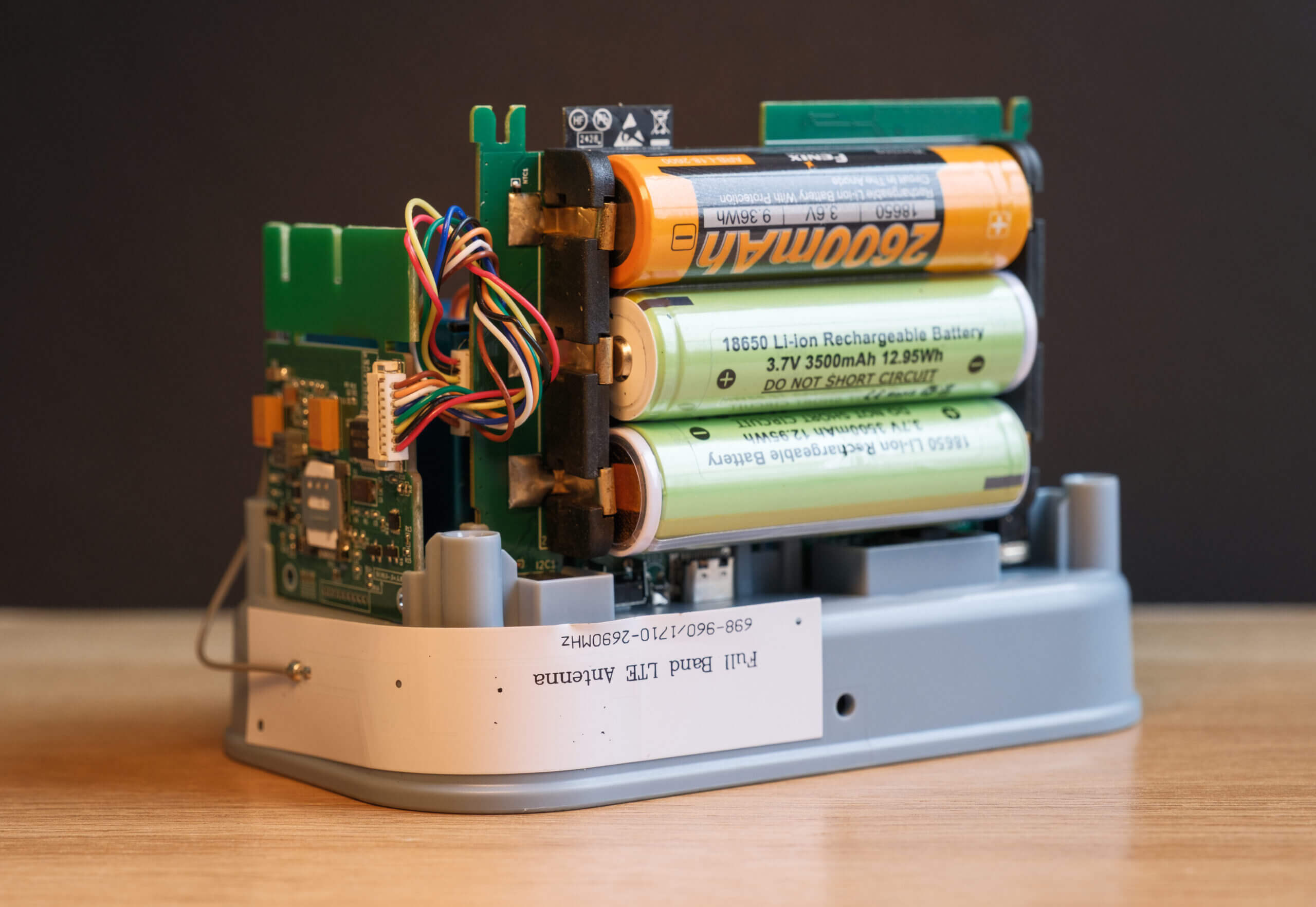
Do as I say, not as I do – you should use only 3x of the same batteries (18650s) in the Open Air Max. However, I was desperate and couldn’t find three of the same batteries!
While the Open Air Max is a significant step up from the Open Air, both in terms of features, capabilities, and cost, there are a few features that I would still love to see added or improved, either in a next-generation device or through updates. One feature that I would love to see featured on this monitor is the ability to record data locally to an SD card (or some form of internal storage). While cellular connectivity is great, and there is a buffer for temporary reception drops, this doesn’t cover longer dropouts or areas that have no reception at all. It’s something I’ve wanted to see added to AirGradient monitors for a while, and I hope this can be included in a future product revision or update.
Currently, since the device is also optimised to conserve power and data, it only takes measurements at three-minute intervals – significantly slower than the one-minute resolution of the WiFi monitors. While I wouldn’t consider this a significant issue for most users, you will obtain more data points with WiFi Open Air and ONE. This also seems like something that could be improved with internal storage. At the very least, I would like to see a dashboard setting that allows users to achieve the balance of data usage and measurement intervals that best suits them.
Finally, I think it would be fantastic to see the improved temperature and relative humidity readings (due to the new SHT40 sensor in the Max) trickle down to the Open Air. At the moment, this is one of the most significant downsides of the Open Air, and it would be great to see it improved. While I know this is likely not feasible as it would involve changing the device quite significantly, I can dream!
Of course, the big question with the Open Air Max is really ‘Is it worth it?’ and I think this is very dependent on your use case. As discussed, in my case, I think the standard Open Air is still a better choice, and I think this will be the case for most customers. With that said, for those who can fully benefit from the Open Air Max, it’s a very powerful air quality monitor and one of the most feature-rich outdoor monitors on the market under $1000.
Have you purchased or had to decide between the Open Air and the Open Air Max? If so, I would love to hear from you and learn about the decision you made and the reasoning behind it. If you have any further questions, please let me know, and I would be happy to answer them. Thanks for reading!


